
Safe hot water temperatures
Hot water has to be hot enough in the pipes to control Legionella, yet cool enough at the tap not to scald. This guide sets out the commonly quoted maximum temperatures for each type of outlet, the building regulations limit for baths, the temperatures expected for stored and distributed hot water, and how temperatures are measured in practice.
Two risks, two sets of numbers
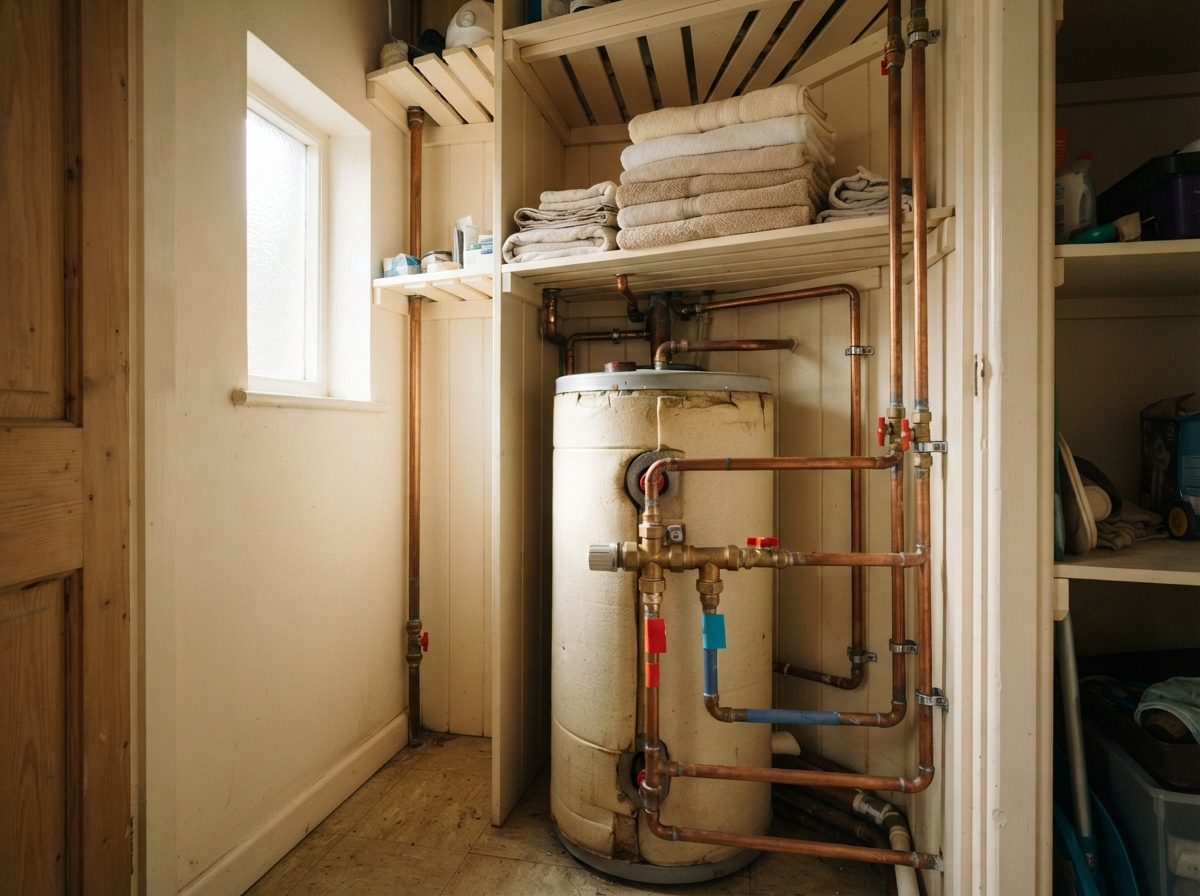
Scalding and Legionella pull in opposite directions. Water at 60°C can cause a serious scald very quickly, particularly to a child, an older person or someone who cannot move away from the water. Yet water kept much cooler than that in cylinders and pipework gives Legionella bacteria the conditions they need to multiply.
The answer used across the UK is to keep the hot water system itself hot, and to bring the temperature down only at or very close to the point of use. That is the job of a thermostatic mixing valve. It means a site has two sets of temperatures to manage: the supply temperatures that control bacteria, and the mixed temperatures that protect the people using the outlets.
Maximum mixed temperatures by outlet
The NHS D 08 specification gives recommended maximum mixed water temperatures for healthcare outlets. They are widely used as a reference in care homes and other settings with vulnerable users. Read the list below as a table.
-
Bidet
38°C maximum.
-
Shower
41°C maximum.
-
Washbasin
41°C maximum. Some sites set basins lower where users wash hands only, for example under running water.
-
Bath
44°C maximum.
-
Assisted bath fill
Up to 46°C where a carer is present and the bath is filled before the user gets in, so the carer can check the temperature first.
-
Lower settings
These figures are maximums, not targets. A risk assessment can set a lower temperature for a particular outlet or group of users, as long as the water is still usable for its purpose.
The 48°C limit for baths in new homes
In England, Part G of the Building Regulations requires hot water to a bath in a new home, or a home created by a change of use, to be limited to 48°C. Wales has its own Part G with the same requirement, and Scotland's building standards set a similar limit for baths in new homes. A TMV or a thermostatic bath filler is the usual way to achieve it.
48°C is a ceiling designed for the general population, not a comfortable bathing temperature. For homes where a child, an older person or someone with reduced sensation bathes, many people choose a lower setting, often nearer the healthcare figure of 44°C. The setting should be checked at the tap after any adjustment.
Temperatures for Legionella control
HSE's Approved Code of Practice L8 and HSG274 Part 2 (and the HSENI equivalent in Northern Ireland) set out the temperatures that help keep Legionella under control.
-
Stored hot water
Hot water cylinders and calorifiers should store water at about 60°C.
-
Hot water at outlets
Hot water should reach at least 50°C at outlets within a minute of running, or at least 55°C in healthcare premises.
-
Cold water
Cold water should be kept as cool as possible, and the guidance looks for it to stay below 20°C, because warm cold water also encourages bacterial growth.
-
Where TMVs are fitted
Because the outlet delivers mixed water, the check is made on the hot supply as it enters the TMV, as well as on the mixed temperature at the outlet.
How temperatures are measured
-
Use a calibrated thermometer
A digital thermometer with a probe, checked regularly against a reference, gives reliable readings. Surface probes are used on pipework, immersion probes in the flow of water.
-
Run the outlet first
Mixed water is measured with the outlet running at its normal flow, once the temperature has settled, not in the first few seconds.
-
Measure in the stream
The probe goes into the centre of the water stream close to the spout or shower head, not into a basin full of water that has started to cool.
-
Record the supplies too
A full test notes the hot and cold supply temperatures at the valve as well as the mixed temperature, because changes in the supplies explain many changes at the outlet.
-
Write it down
Each reading is recorded against the valve and outlet with a date, so drift can be spotted over time.
Why both matter
It can be tempting to solve a scald complaint by turning the boiler or cylinder down, or to solve a Legionella concern by turning TMVs up. Either change moves the risk rather than removing it. Lower storage temperatures make bacterial growth more likely; higher mixed temperatures bring back the scald hazard the valves were fitted to control.
The safer approach is to keep the supply temperatures where the Legionella guidance expects them, set each TMV to the right mixed temperature for its outlet, keep the mixed-water pipework short, and test the valves often enough to catch drift. Our guides to TMV testing intervals and to TMVs and Legionella explain how those pieces fit together.
Temperature questions
What is the safest shower temperature?
Healthcare guidance recommends no more than 41°C at the shower. Many people find 38°C to 40°C comfortable, and a risk assessment can set a lower figure.
Why is a bath allowed hotter than a shower?
Bath water cools as the bath fills and as the user gets in, so the fill temperature is set a little higher to end up at a comfortable bathing temperature.
Is 48°C safe for a child's bath?
48°C is the building regulations ceiling for new homes, not a recommended bathing temperature. Children bathe in water far cooler than that, so a lower setting and a check before bathing are sensible.
Why must hot water be stored at 60°C?
At that temperature Legionella bacteria do not multiply and are killed over time. Below about 50°C, they can survive and grow.
Can a TMV be set below 38°C?
Most valves can be set over a range, and a risk assessment can choose a lower setting. The water still needs to be warm enough for its purpose, such as handwashing.
How often should outlet temperatures be checked?
That depends on the risk assessment. Healthcare guidance ties TMV checks to a testing routine, and Legionella guidance sets regular checks on sentinel outlets.
Related services
Need temperatures checked or reset?
Send an enquiry listing the outlets and the temperatures you need. We will match the job to a partner engineer and confirm the price before work starts.
Send an enquiry